16 Practical Small Outdoor Garden Design Ideas on a Budget
Creating a small outdoor garden can feel overwhelming when space is limited. Many homeowners struggle with cluttered layouts, a lack of greenery, or unused corners that make the yard feel smaller and less inviting. Without careful planning, even the most beautiful plants or furniture can make the area look cramped and chaotic.
The good news is that with the right hacks, you can transform a small yard into a functional, stylish, and relaxing outdoor space. From clever layout ideas to space-saving plant arrangements, these simple, small outdoor garden design ideas offer practical solutions to maximize every inch of your garden while keeping it beautiful and organized.
16 Easy Small Outdoor Garden Design Ideas for Maximum Impact
Make the most of small outdoor spaces with easy garden design ideas. Use compact plants, simple layouts, and clever decor to create a big impact. These ideas help your garden look stylish, organized, and inviting without much effort.
1. Vertical Planters
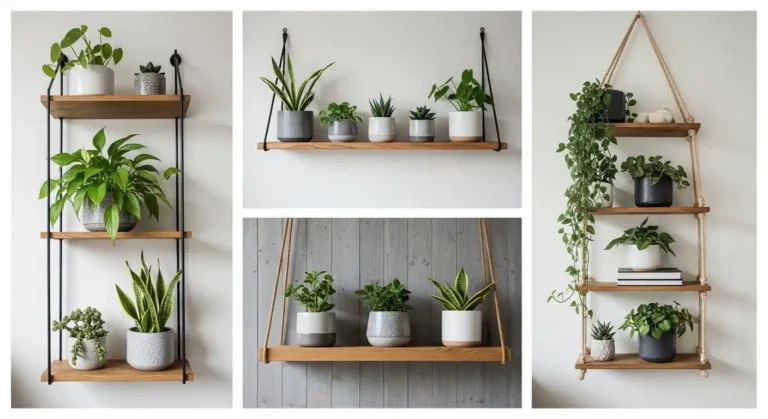
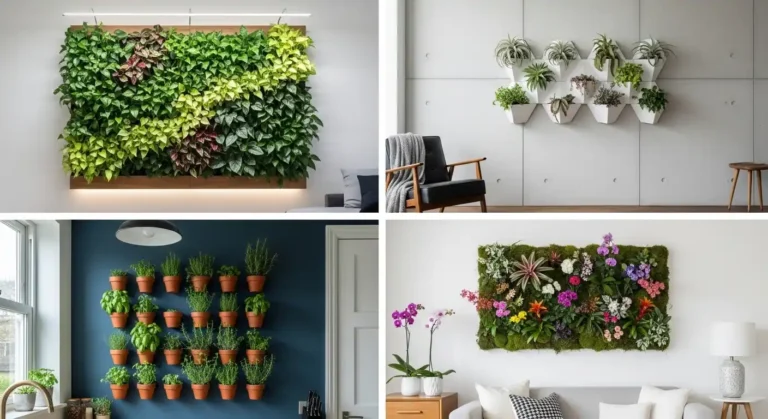
Vertical planters are a great way to maximize limited space in a small garden. Using wall-mounted or freestanding vertical structures allows you to grow flowers, herbs, or even vegetables without taking up ground space. These creative solutions are some of the best Backyard Garden Ideas for making the most of every inch.
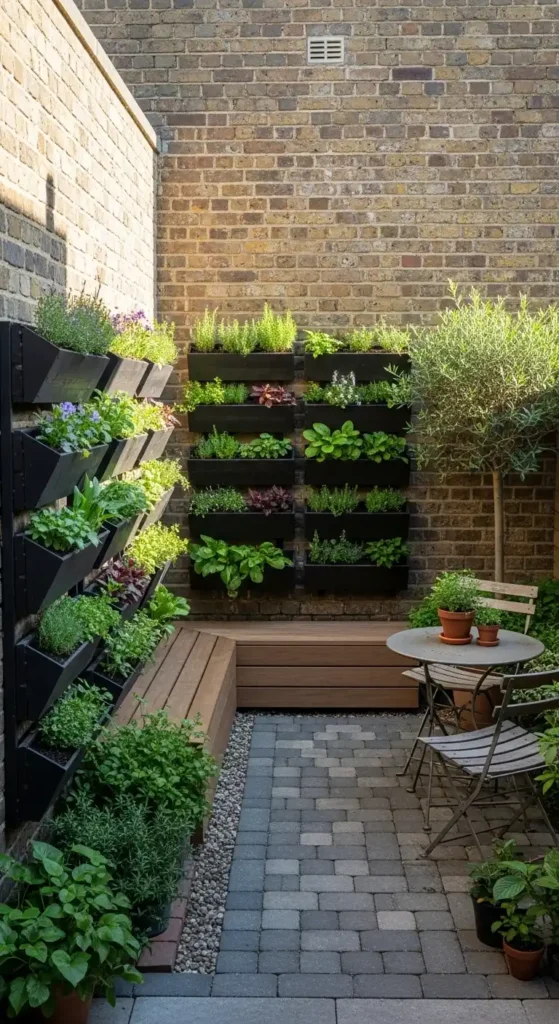
Besides saving space, vertical planters create a visual focal point in your garden. They also help keep plants off the ground, reducing clutter and making maintenance easier. Adding colorful pots or cascading plants enhances the overall aesthetic.
2. Compact Seating Areas
Creating a cozy seating area in a small garden makes the space functional and inviting. Choose a small bench, foldable chairs, or a corner bistro set to fit snugly without overcrowding. Add cushions or throws for comfort and color.
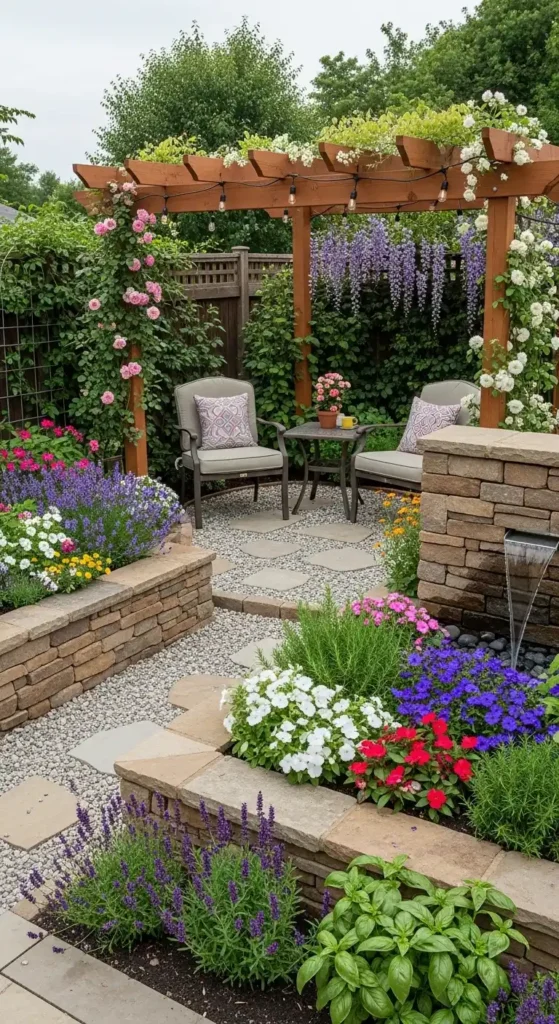
This setup encourages relaxation and socializing outdoors. You can also use a small table for drinks or decor. By keeping furniture minimal and modular, the garden remains spacious while offering a welcoming spot to enjoy the outdoors.
3. Raised Garden Beds
Raised garden beds are perfect for small gardens because they define planting areas and reduce clutter. You can build them from wood, bricks, or recycled materials. They also improve drainage and make it easier to control soil quality.
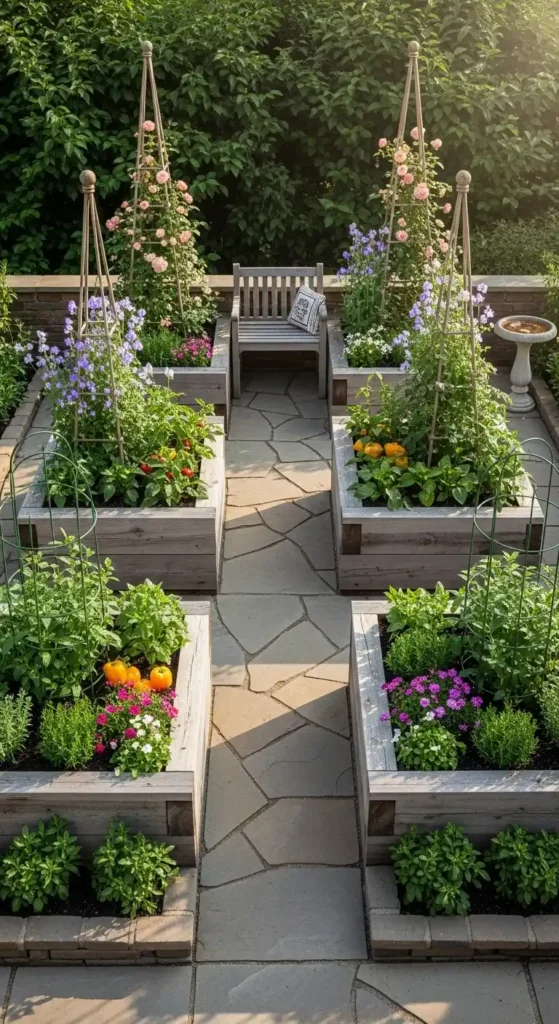
Additionally, raised beds create a neat and organized look, keeping plants contained and enhancing your Small outdoor garden design. Layering different heights adds depth and visual interest, while this approach also makes gardening more accessible and manageable.
4. Hanging Baskets
Hanging baskets allow you to add greenery without using precious floor space. You can hang them from walls, pergolas, or hooks to display flowers or trailing vines. They work well in corners or above seating areas for a layered effect.
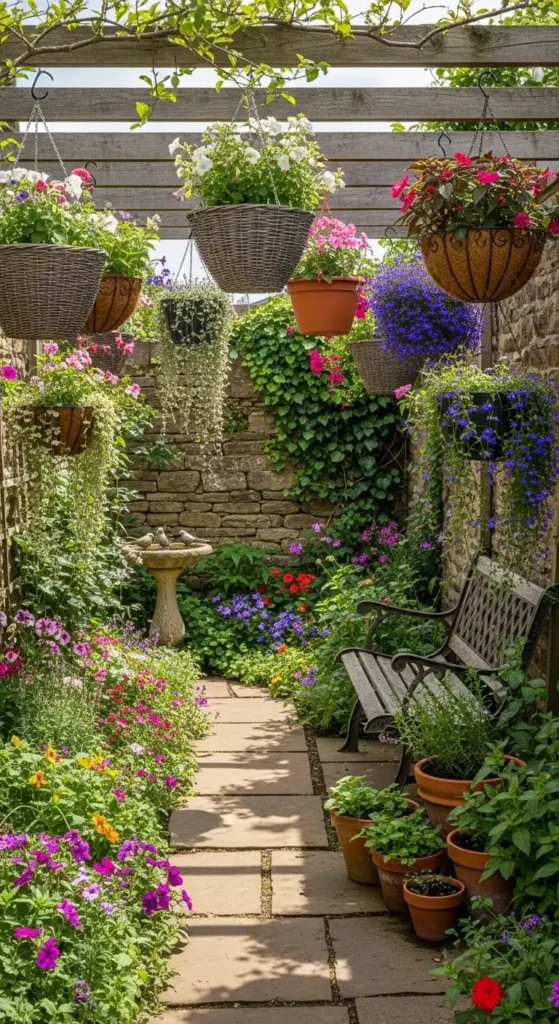
They also add a sense of height and dimension to the garden. Choosing colorful or flowering plants can make the garden feel lush and vibrant. With lightweight baskets, you can move them around easily to change the look.
5. Small Water Features
Adding a small water feature, like a tabletop fountain or mini pond, enhances the tranquility of a compact garden. It introduces soothing sounds and a focal point without taking up much space. Opt for solar-powered or self-contained options for easy setup.
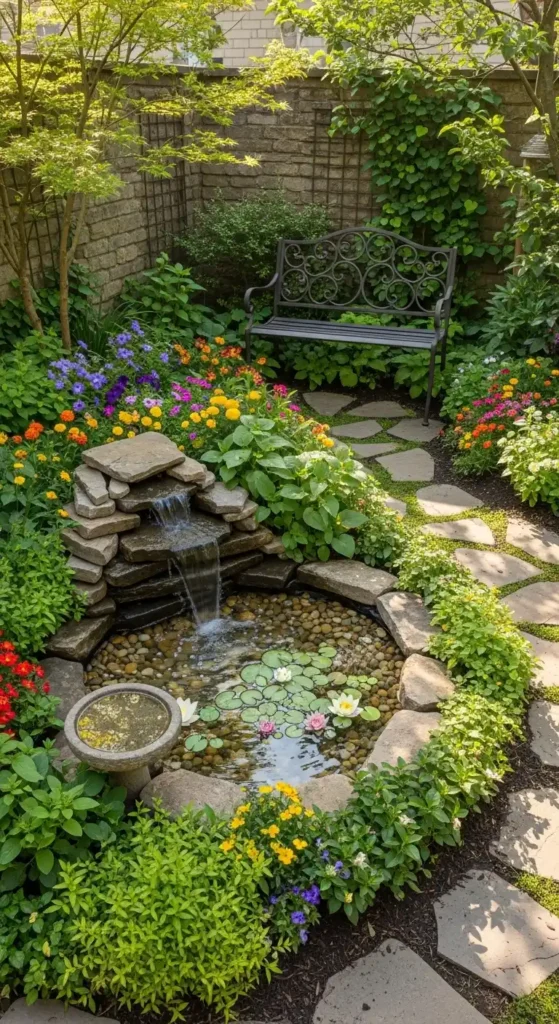
Water features also attract birds and beneficial insects, adding life to your garden. Pair them with small stones or potted plants around the base to create a natural, cohesive look. This adds charm while keeping the area low-maintenance.
6. Mirror Accents
Using mirrors in a small garden can make it appear larger and brighter. Place a weather-resistant mirror on a wall or fence to reflect greenery and light. It creates an illusion of depth and expands the visual space.
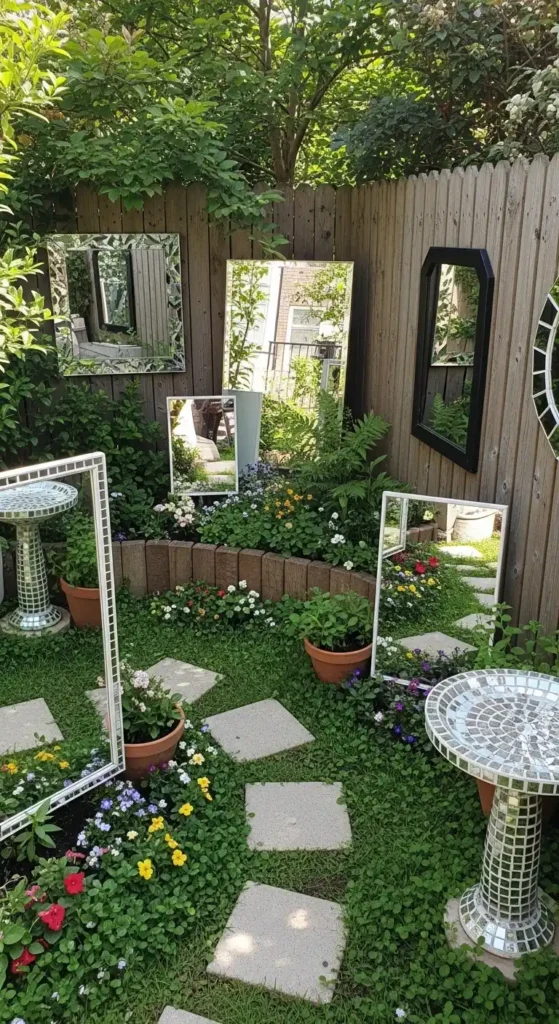
Mirrors also act as decorative elements, adding style to otherwise plain areas. You can pair them with climbing plants or colorful pots to make the reflected scene even more appealing. This is a budget-friendly trick for small spaces.
7. Multi-Level Planting
Creating multi-level planting areas uses vertical and horizontal layers to maximize greenery. Combine tall plants, shrubs, and low ground covers to add depth. You can use shelves, step planters, or tiered pots for this effect.
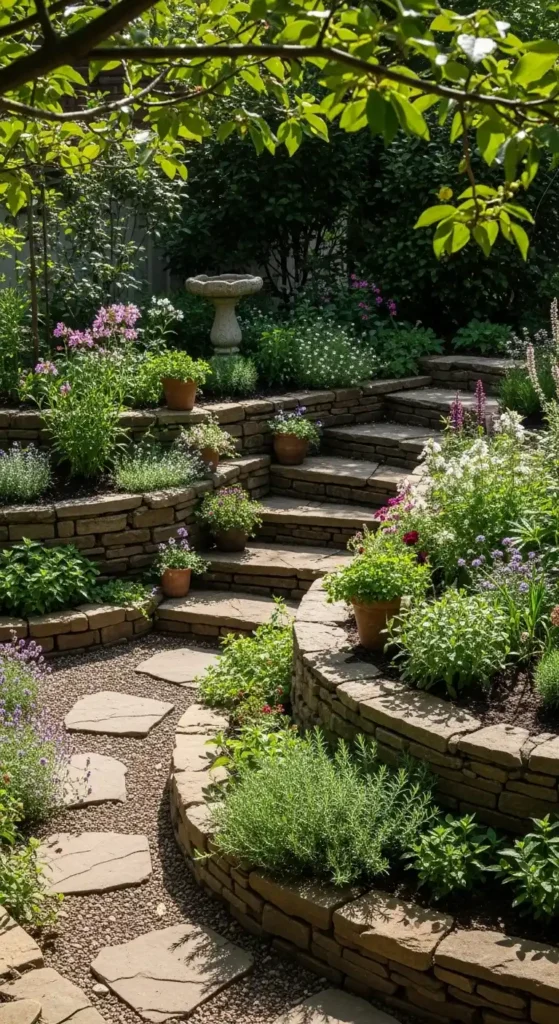
This technique allows more plants in a limited space while maintaining organization. It also makes the garden visually interesting by creating contrasts in height, texture, and color. Multi-level planting works well against walls or fences.
8. Compact Vegetable Garden
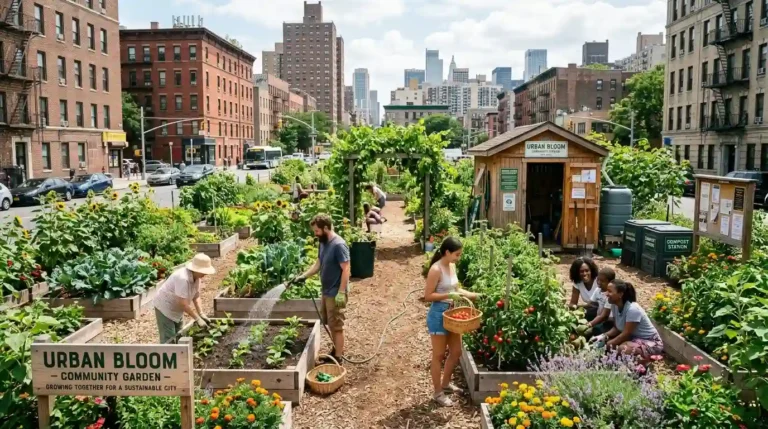
Even a small garden can support a vegetable patch with careful planning. Use containers, vertical supports, or small raised beds for growing herbs and vegetables. Focus on compact or dwarf plant varieties to save space.
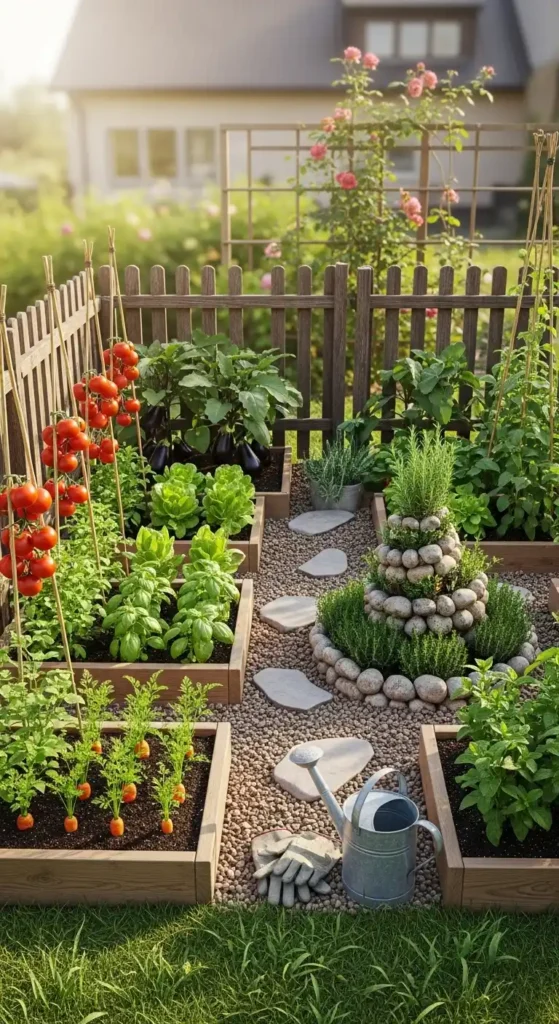
This approach is functional and rewarding, giving you fresh produce at your fingertips. Interplanting vegetables with flowers or ground covers can make the garden look lively while keeping productivity high.
9. Garden Pathways
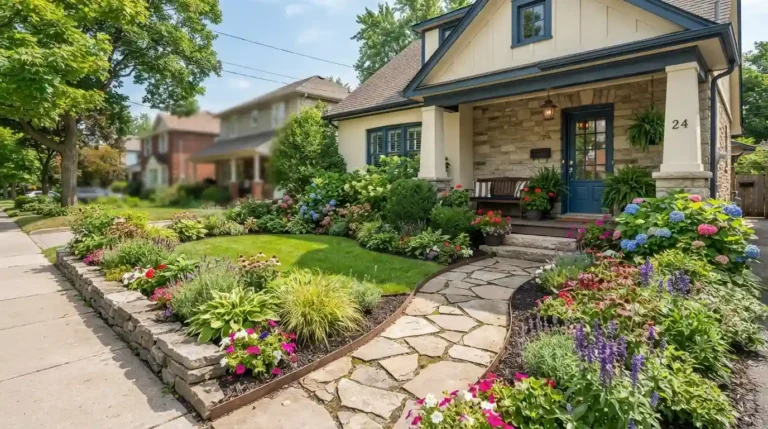
Adding a small pathway can make a compact garden feel organized and spacious. Use stepping stones, gravel, or wooden planks to guide movement. Paths help define areas and prevent foot traffic from damaging plants.
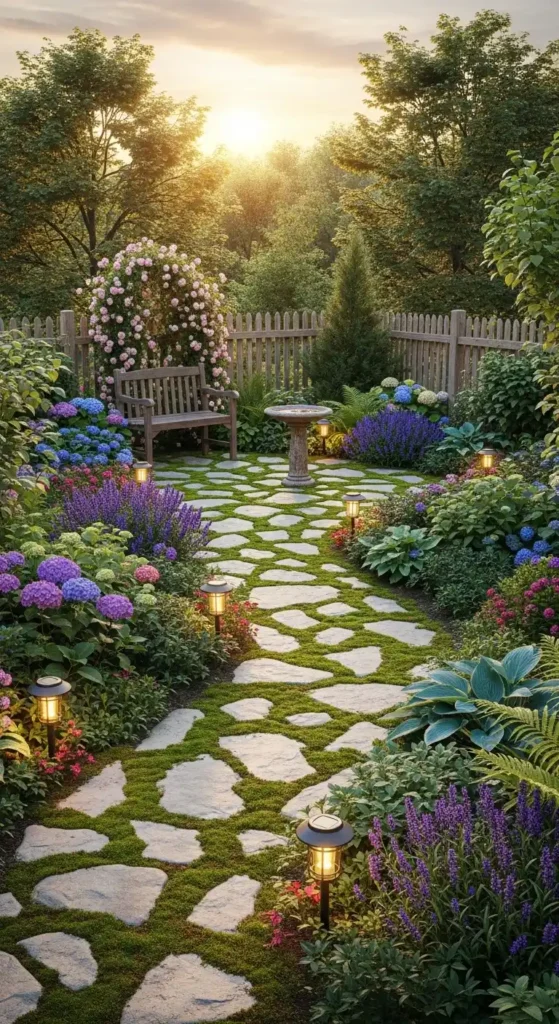
A pathway also adds charm and structure to the design. Curved paths create a sense of exploration, while straight paths give a neat and orderly look. Choose materials that complement the overall garden style.
10. Miniature Garden Sculptures
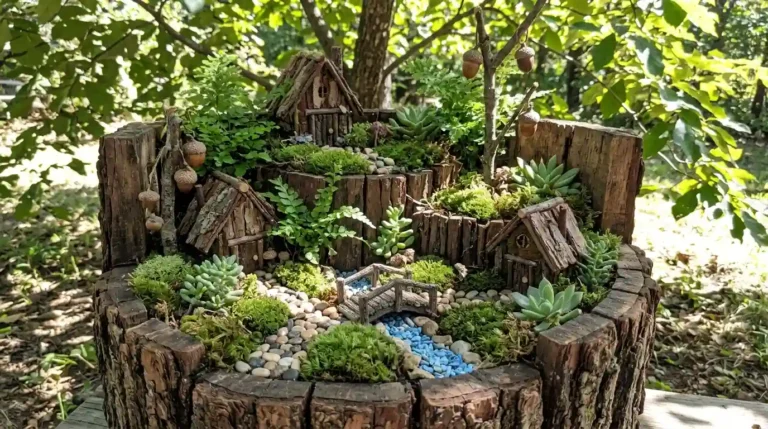
Small sculptures, statues, or garden ornaments can personalize your outdoor space. They serve as focal points without taking up much space. Place them near plants, along paths, or in seating areas for visual interest.
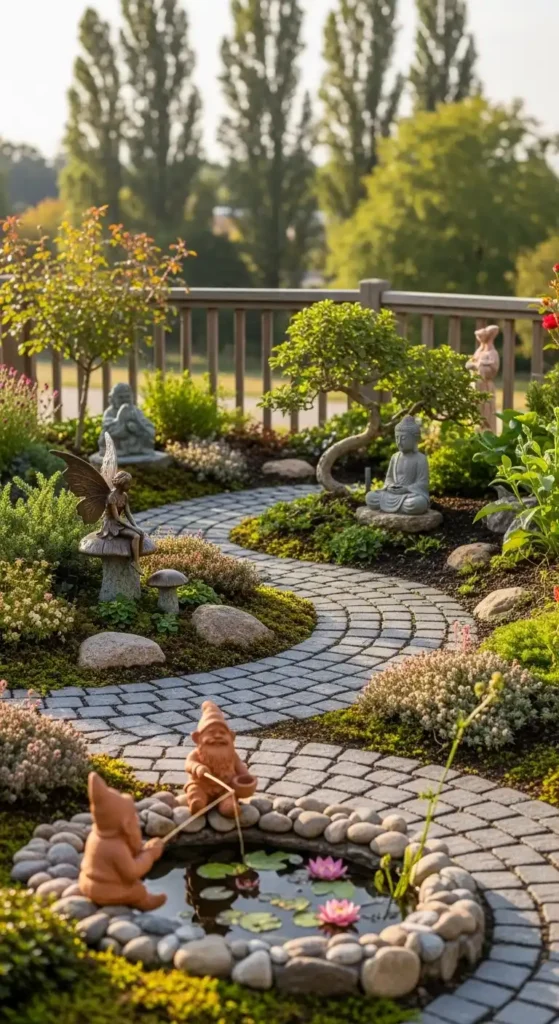
These elements also reflect your personality and style, making the garden unique. Combine them with low-maintenance greenery to avoid overcrowding while maintaining an aesthetic balance.
11. Container Gardening
Container gardening is ideal for small spaces. You can grow flowers, herbs, and vegetables in pots, buckets, or decorative containers. This makes it easy to move plants around and change the layout whenever you like.
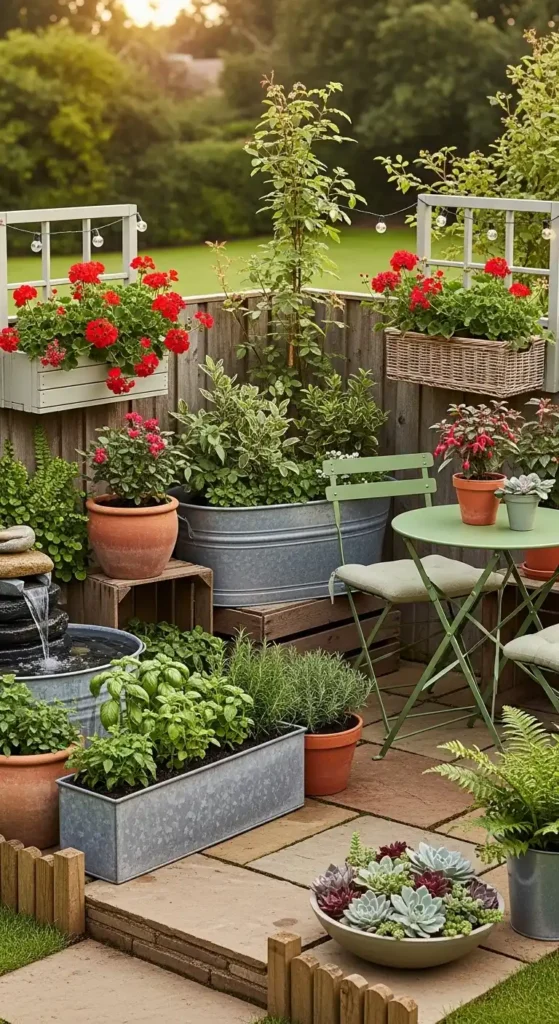
Containers also allow control over soil quality and water drainage. Grouping different pot sizes and styles adds texture and visual appeal. This method is perfect for patios, balconies, or tiny yards.
12. Pergola or Canopy
Adding a small pergola or canopy creates vertical interest while offering shade. It can also support climbing plants, adding greenery without taking up floor space. Choose lightweight materials or compact designs for small gardens.
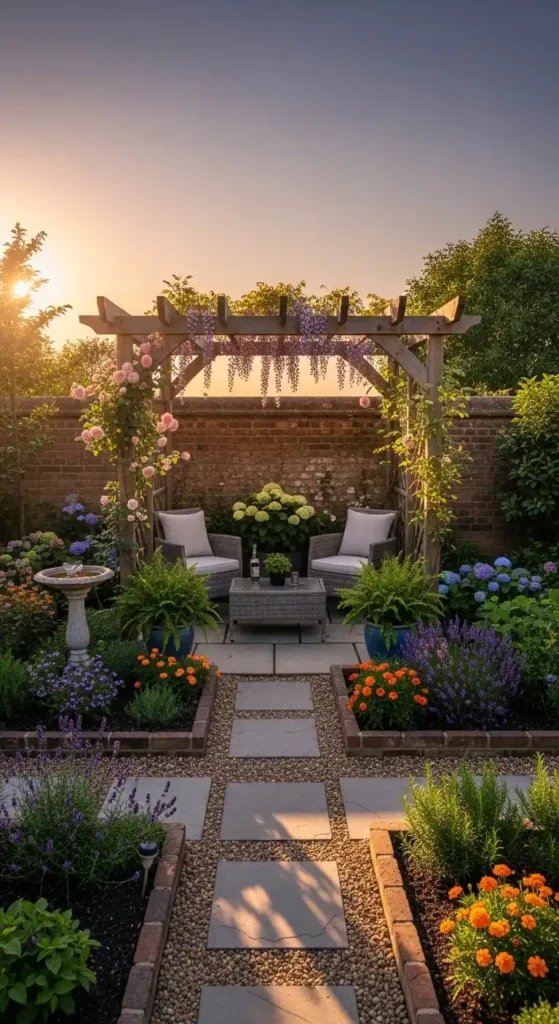
A pergola defines a seating or dining area, giving structure to the garden. You can hang lights, plants, or curtains from it for a cozy, inviting atmosphere. This addition combines functionality and style effectively.
13. Color-Coordinated Plants
Choosing a cohesive color scheme makes a small garden look polished and spacious. Select flowers and foliage that complement each other, focusing on 2–3 main colors. Avoid too many contrasting shades that can overwhelm the area.
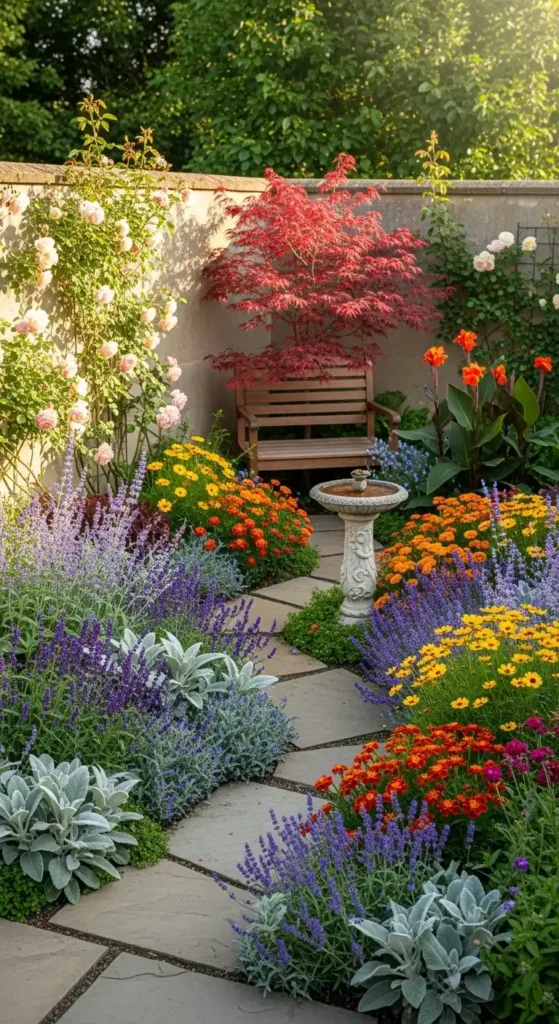
Color coordination also helps create a visual flow, guiding the eyes naturally through the garden. You can repeat colors in containers, furniture, and garden accessories for a unified, stylish appearance.
14. Small Fire Pit Area
A compact fire pit creates a gathering spot in a small garden. Use a tabletop or portable fire pit to save space. Surround it with foldable chairs or benches to accommodate seating without overcrowding.
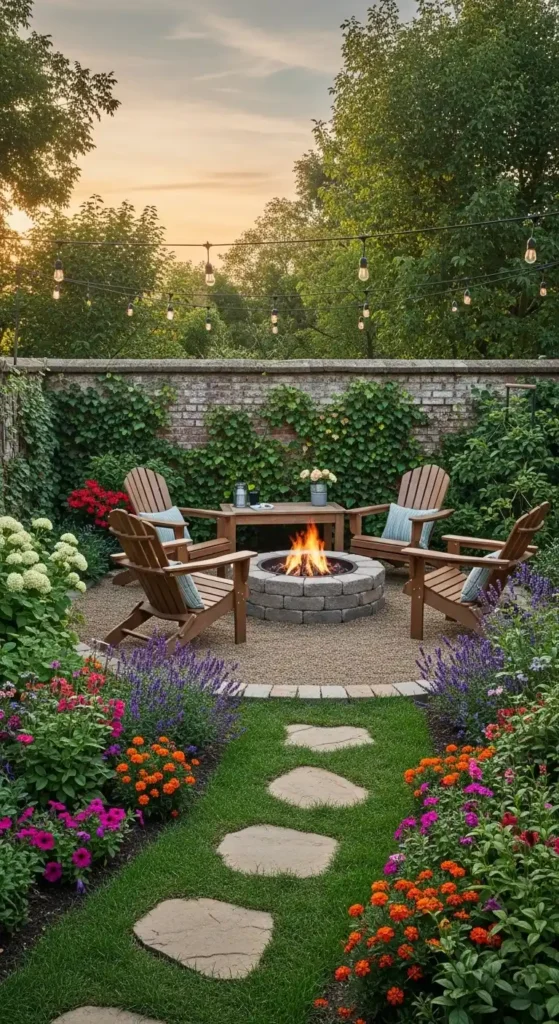
Fire pits provide warmth and ambiance, extending garden use into cooler evenings. They also serve as a focal point for entertaining. Keep the area simple to ensure it remains functional and safe.
15. Low-Maintenance Plants
Choosing low-maintenance plants reduces upkeep and keeps small gardens tidy. Opt for succulents, ornamental grasses, or perennials that require minimal watering and pruning. These plants thrive in small spaces and still look attractive.
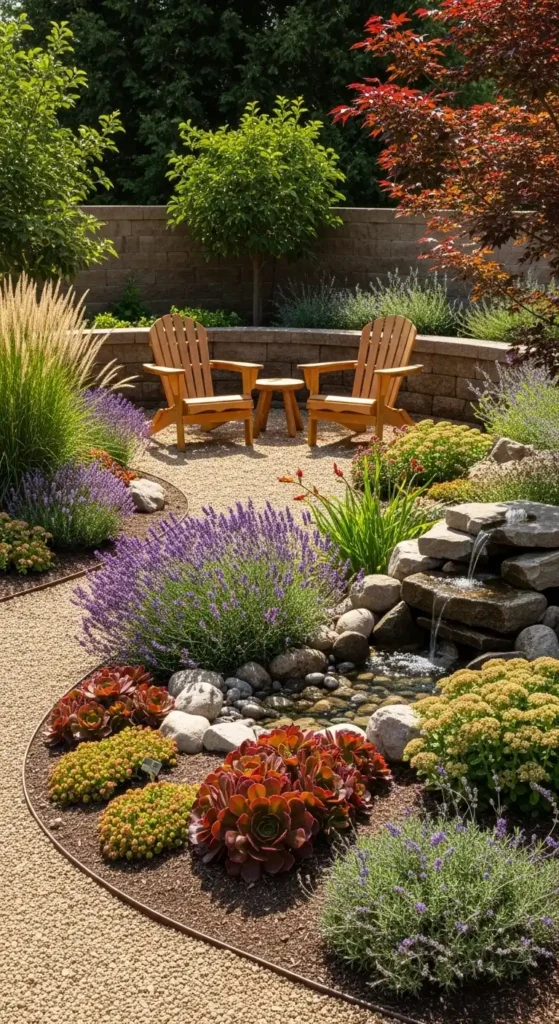
Low-maintenance greenery also allows more time to enjoy the garden rather than tending it. Mixing different textures and shades keeps the space lively without creating visual clutter. This is ideal for busy homeowners or beginners.
16. Decorative Lighting
Adding string lights, solar lamps, or lanterns enhances a small garden’s charm. Lighting creates ambiance, highlights plants, and extends usability into the evening. Choose energy-efficient options for easy installation and low running costs.
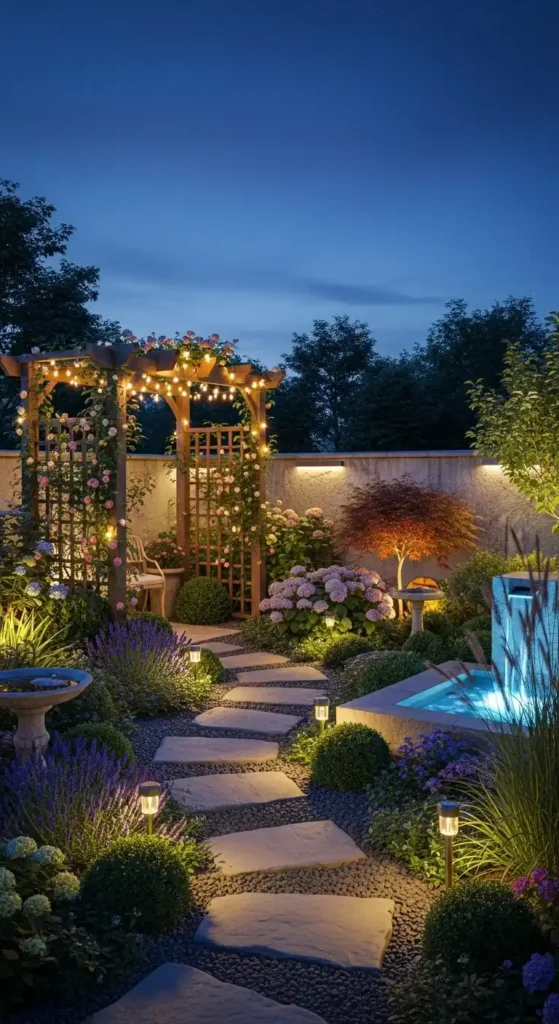
Lighting also adds dimension and visual interest without occupying much space. Position lights along paths, seating areas, or walls to guide the eye and emphasize key features. This simple addition instantly elevates the garden’s appeal.
How to Maximize Space in a Small Garden?
Maximizing space in a small garden starts with smart planning. Begin by assessing every corner and identifying areas that are underused. Use vertical structures like wall planters, hanging baskets, or trellises to grow plants upward instead of outward, freeing up floor space while adding visual interest.
Incorporating these techniques is key in a small outdoor garden design, where multifunctional furniture and compact seating options keep the area open. Tiered or raised planting beds create layers of greenery without taking up extra space, making even the smallest garden feel organized, inviting, and stylish.
Why Choosing the Right Plants Makes a Big Difference?
Selecting the right plants is key to a successful small outdoor garden design that is both beautiful and manageable. Compact, slow-growing, or dwarf varieties are perfect for limited spaces, as they won’t overcrowd the area. Choosing plants suited to your climate and sunlight ensures healthy growth and reduces maintenance.
The right plant selection also enhances the garden’s aesthetic appeal. Mixing textures, colors, and heights can create visual depth and make the space feel larger than it is. The same principles apply to Indoor Plants, helping you create a lush, thriving indoor garden without overwhelming your small space. By planning carefully, you can enjoy a vibrant, green environment anywhere in your home.
What Maintenance Tips Keep Small Gardens Tidy?
Small gardens can look beautiful and organized when they are maintained regularly with simple care routines. Because space is limited, even small clutter or overgrown plants can quickly make the area look messy. With consistent attention and smart planning, you can keep your small garden neat, healthy, and attractive all year round.
- Trim plants and hedges regularly to control growth and maintain a clean, well-shaped appearance.
- Remove weeds every week to prevent them from spreading and competing with your plants for nutrients and space.
- Sweep pathways and clear fallen leaves to keep the garden looking fresh and tidy at all times.
- Water plants properly according to their needs to avoid overwatering, which can cause mud, fungus, and plant damage.
- Prune dead flowers and damaged leaves to encourage healthy growth and improve the overall look of the garden.
- Use mulch around plants to reduce weeds, retain moisture, and give the soil a neat and finished appearance.
Conclusion
Creating a small outdoor garden can be both practical and beautiful with thoughtful planning. By using space-saving ideas like vertical planters, compact seating, multi-level planting, and low-maintenance greenery, these small outdoor garden design tips help make even a limited area feel open, organized, and inviting.
Combining clever layouts, the right plant choices, and simple maintenance ensures your garden remains stylish, functional, and enjoyable throughout the year, proving that size doesn’t limit charm or creativity.