16 Modern Urban Community Garden Ideas for Sustainable City Living
Urban areas often struggle with limited outdoor spaces, rising pollution, and fewer natural areas for relaxation. Smart gardening approaches can solve these issues by bringing greenery into busy city environments.
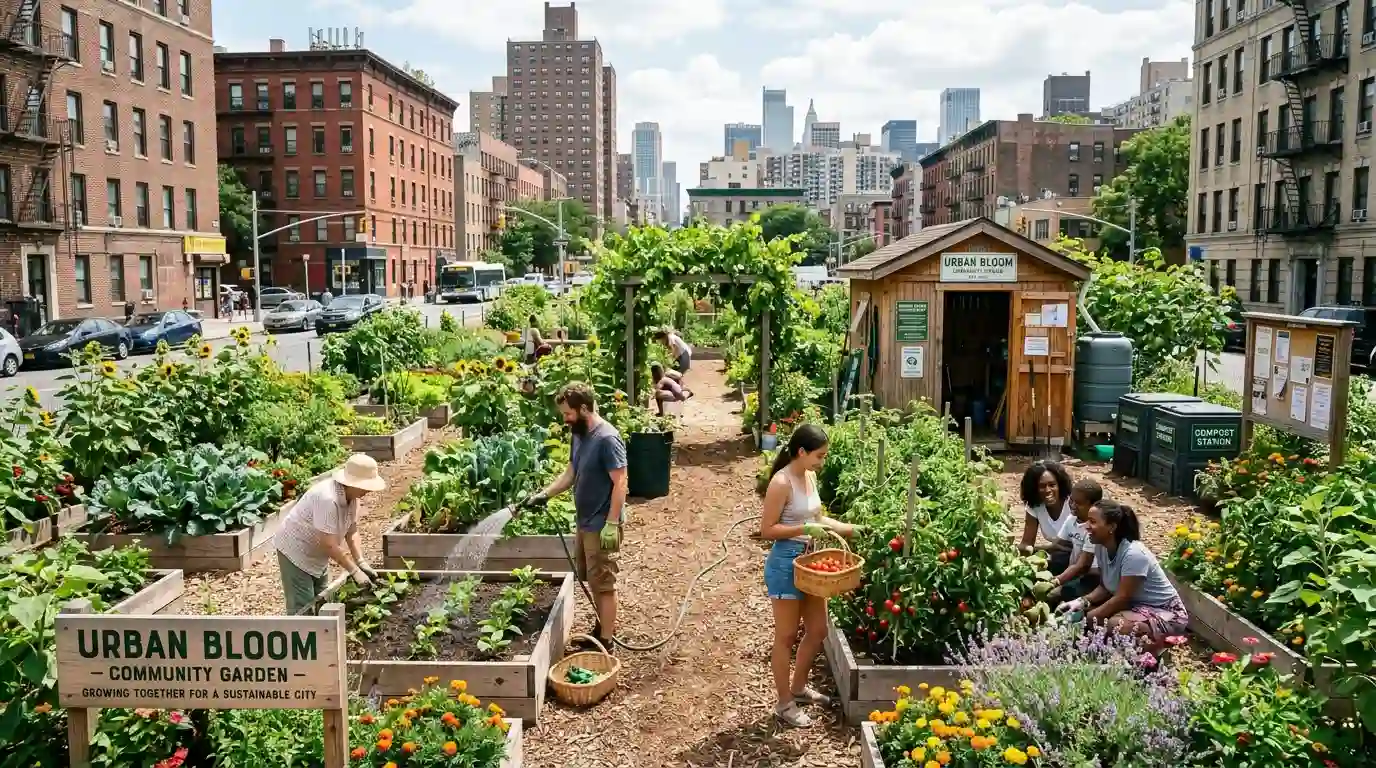
An Urban Community Garden allows people to grow plants, share resources, and create stronger neighborhood connections. These spaces improve air quality while making cities feel fresher, calmer, and more enjoyable.
Modern garden ideas use creative designs, sustainable methods, and small areas effectively. They help residents produce fresh food, protect nature, and turn unused places into beautiful green spaces.
How to Choose the Right Garden Type for Your Community
The right garden idea generally comes down to three factors:
- Available space how much room the community actually has to work with, from a small balcony or pocket lot to a full rooftop or shared field
- Maintenance capacity determines how much ongoing time and effort the group can realistically commit to, since some gardens like food forests or vegetable plots need far more upkeep than others like herb or pollinator gardens.
- Community goals are what the group actually wants out of it: fresh food, beauty, education, or simply a place to gather.
For limited or awkward spaces, vertical gardens, balcony setups, and pocket parks make the most of what’s available without requiring large plots of land. For communities focused on food production, shared vegetable plots, raised beds, or a food forest offer the most long-term return, though they also demand the most consistent care.
And for neighborhoods more interested in connection than cultivation, flower gardens, therapeutic spaces, and seating areas create a welcoming environment with comparatively low upkeep.
16 Amazing Urban Community Garden Ideas for Sustainable Urban Living
Urban spaces often lack greenery, but creative gardening solutions can bring nature closer to everyday life. Community-focused green areas improve surroundings, encourage sustainability, and create peaceful spaces for people. These community garden ideas will inspire you to build a greener and more connected environment.
1. Rooftop Community Garden Spaces
Rooftop gardens transform unused building tops into productive green areas where residents can grow vegetables, flowers, and herbs. These elevated spaces provide relaxing spots while improving urban environments.
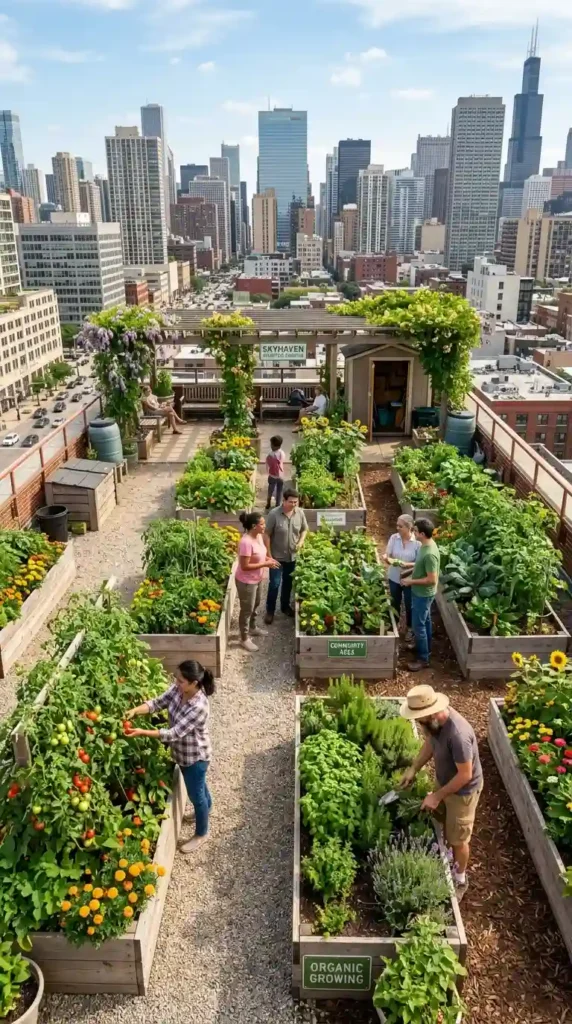
They help reduce heat around buildings and support better air quality. With containers, raised beds, and smart irrigation systems, rooftops become peaceful gardens that encourage community participation.
2. Vertical Wall Garden Designs
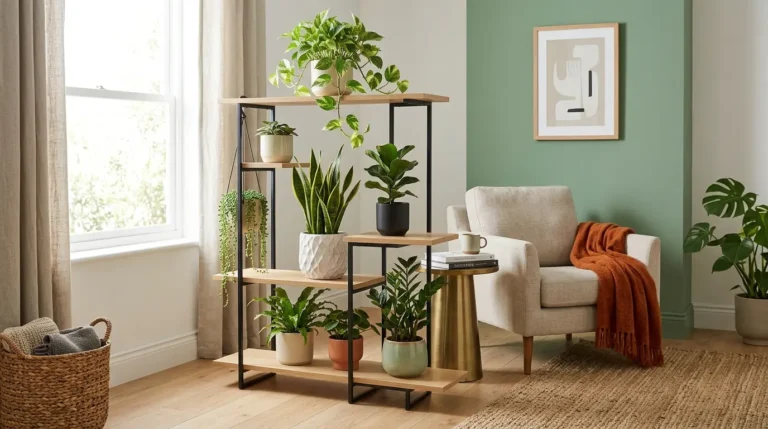
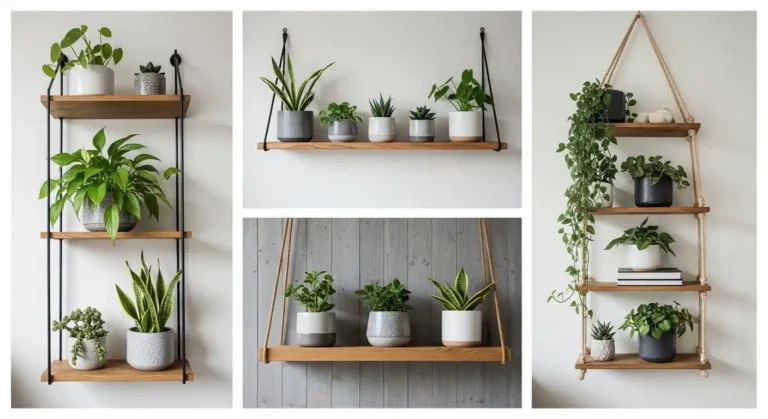
Vertical gardens use walls, fences, and small surfaces to create greenery without needing large ground areas. They are perfect for apartments and crowded neighborhoods with limited outdoor space in an Urban community garden setting.
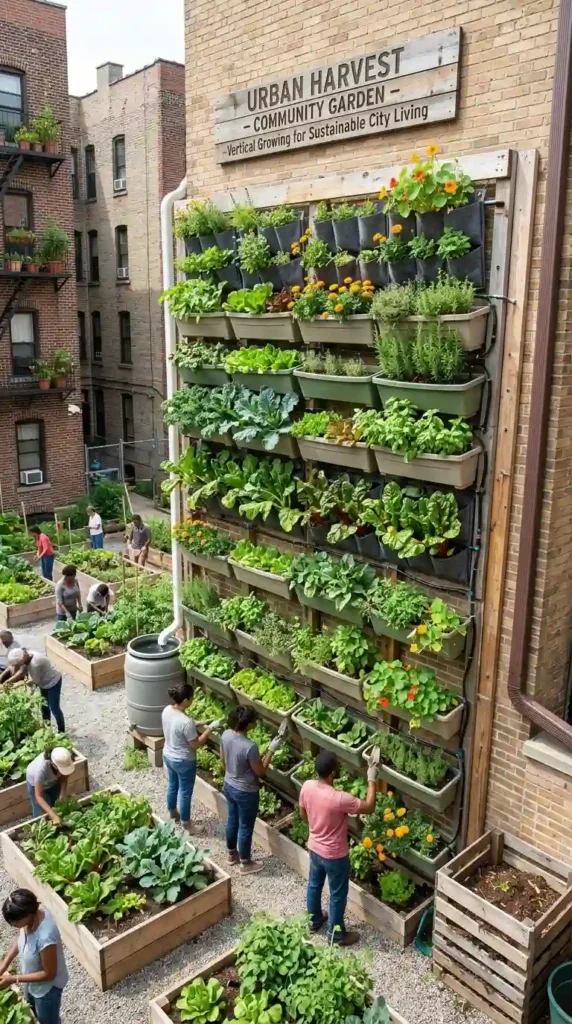
These designs bring nature closer to daily life while adding beauty to plain structures. Different plants can be arranged creatively to create living artwork throughout city spaces.
3. Shared Vegetable Garden Plots
Shared vegetable plots allow neighbors to grow fresh produce together in organized sections. Each person can manage a small area while contributing to a larger community gardening project.
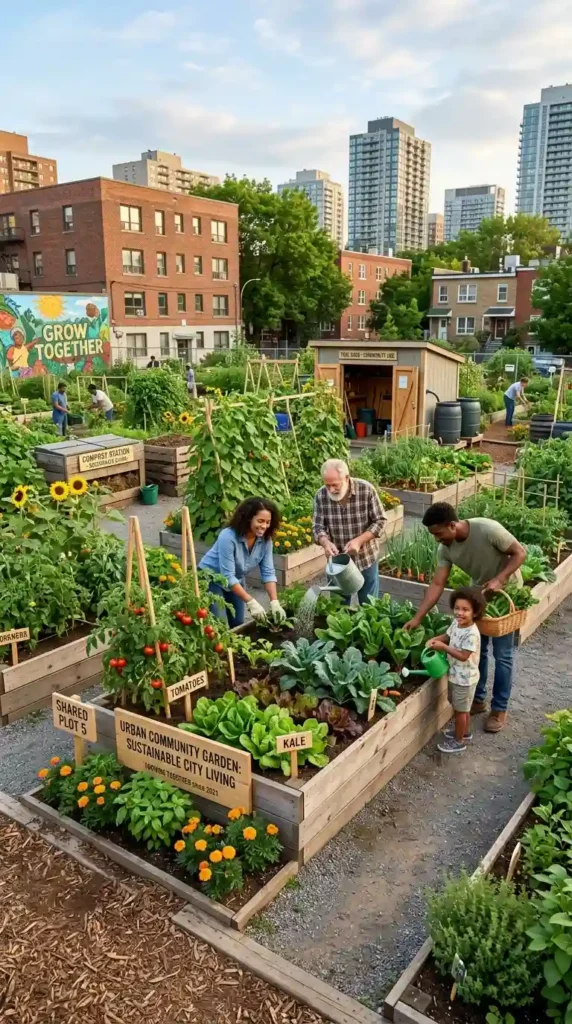
These gardens encourage cooperation and healthy eating habits. Residents exchange gardening knowledge, share harvests, and build stronger relationships through regular outdoor activities and teamwork.
4. Pocket Park Garden Ideas
Pocket gardens turn small unused city corners into attractive green spaces. Empty lots, narrow areas, and forgotten places can become welcoming spots filled with plants and seating.
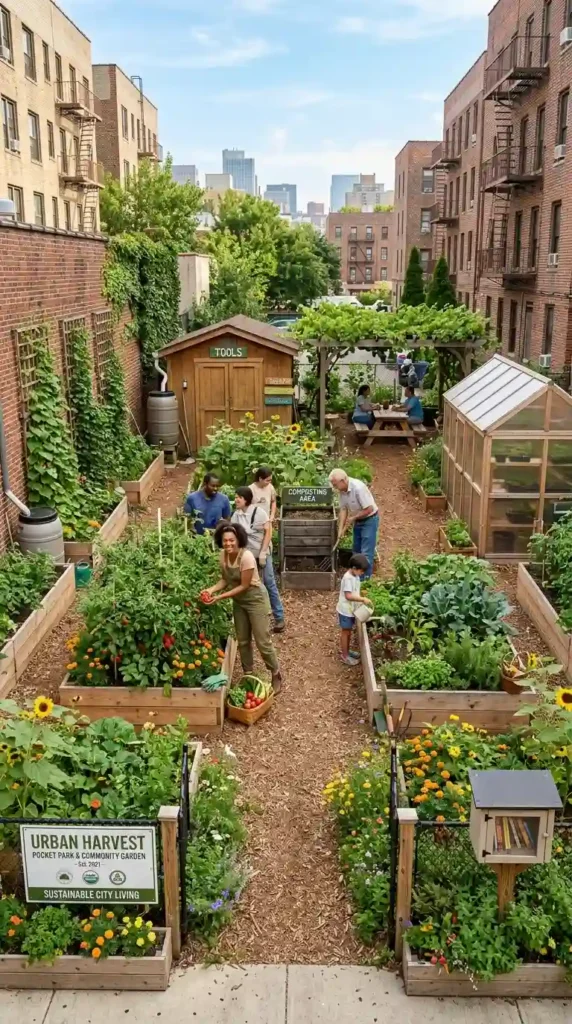
These tiny gardens provide relaxation zones for nearby residents. They also improve neighborhood appearance by adding natural elements where concrete structures once dominated the surroundings.
5. Community Herb Garden Areas
Herb gardens provide easy access to fresh flavors while using compact spaces efficiently. Residents can grow basil, mint, rosemary, and other useful plants close to their homes.
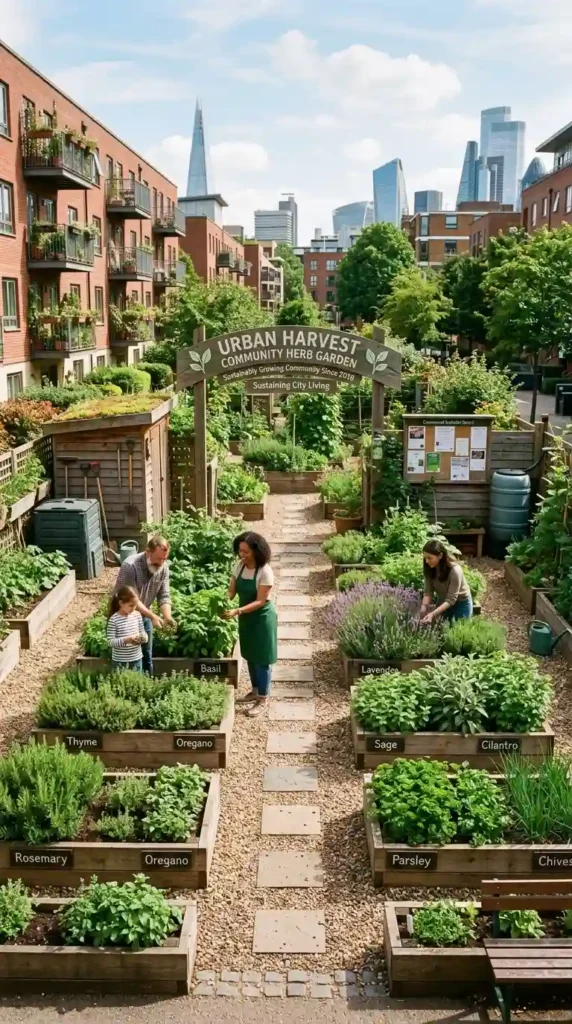
These gardens require simple care and offer practical benefits. People can share planting techniques, enjoy fresh ingredients, and create pleasant green areas around their communities.
6. Pollinator Friendly Garden Spaces
Pollinator gardens focus on attracting bees, butterflies, and other helpful insects through colorful flowers and native plants. They support biodiversity within busy urban environments.
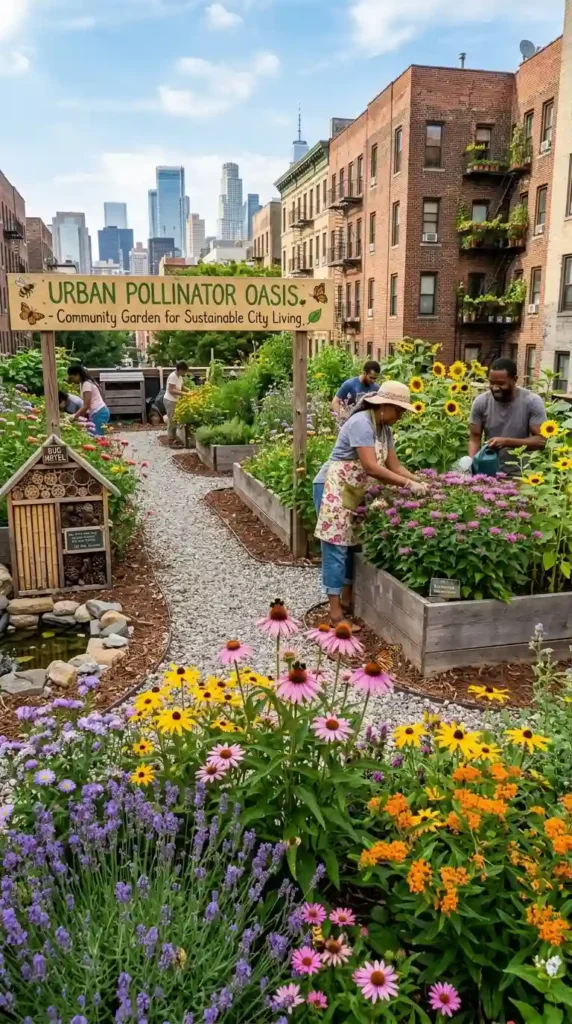
These spaces teach residents about nature protection and ecological balance. Adding flowering plants creates beautiful areas while helping important species survive in changing city landscapes.
7. Sustainable Rainwater Garden Designs
Rainwater gardens collect and filter water naturally through carefully selected plants and soil systems. They help manage rainfall while creating attractive green landscapes.
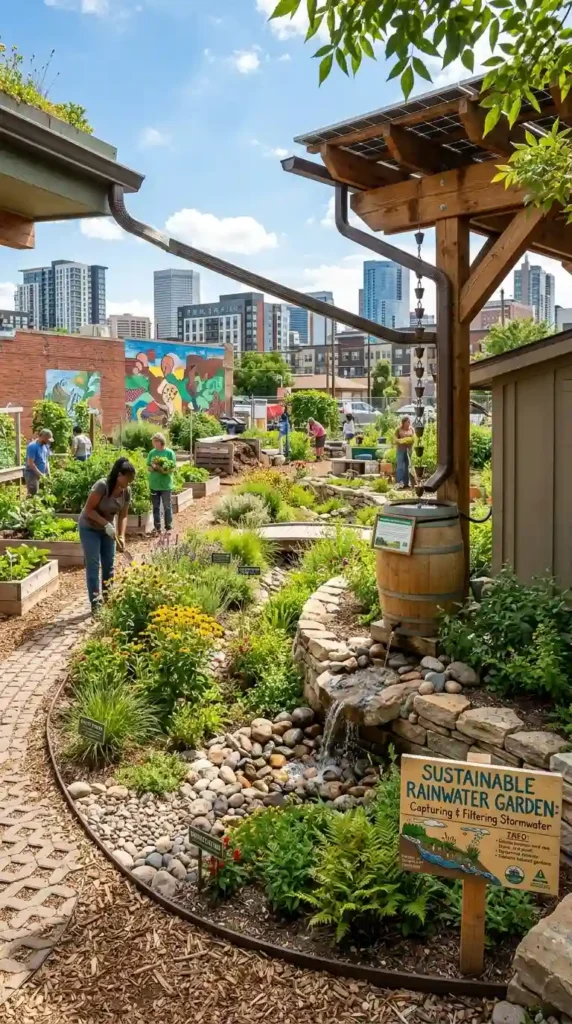
These gardens reduce water waste and support healthier environments. Communities can use them to control runoff, protect local ecosystems, and introduce sustainable gardening practices.
8. Urban Community Food Forests
Food forests combine trees, shrubs, herbs, and edible plants to create natural food-producing landscapes. They mimic ecosystems while providing long-term benefits for neighborhoods.
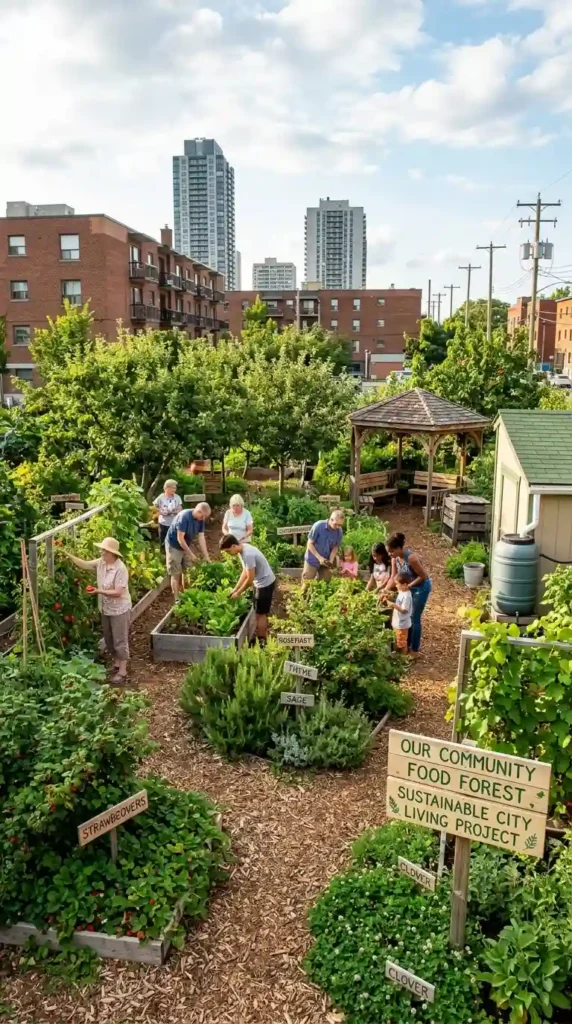
These spaces offer fruits, vegetables, and shade for residents. They encourage sustainable living by creating self-supporting gardens that require thoughtful planning and shared care.
9. Raised Bed Garden Projects
Raised beds make gardening easier by improving soil control and accessibility. They are useful in cities where ground conditions may not support healthy plant growth.
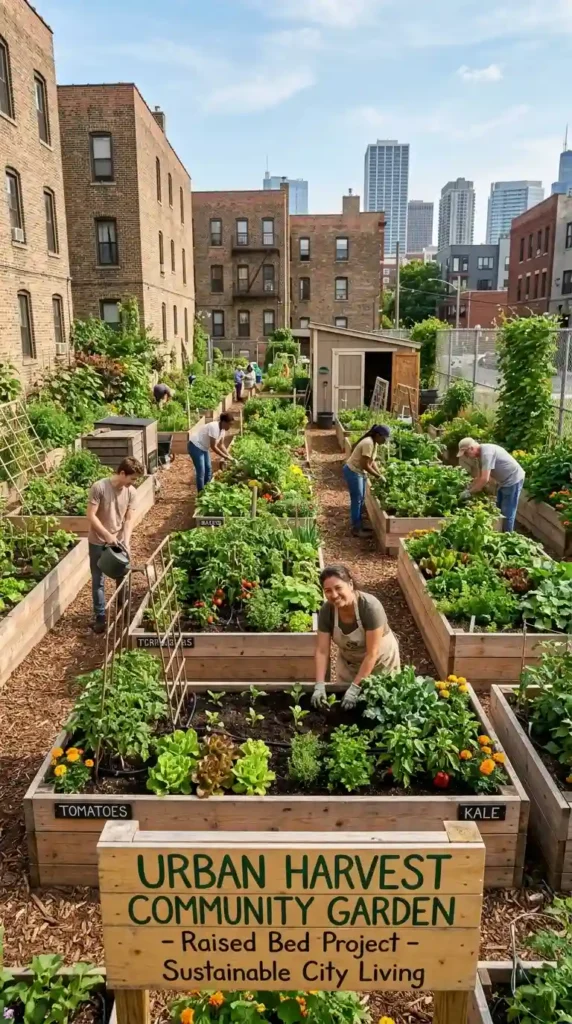
These structures allow communities to organize crops neatly and efficiently. Gardeners can manage plants better while creating attractive layouts that maximize available growing space.
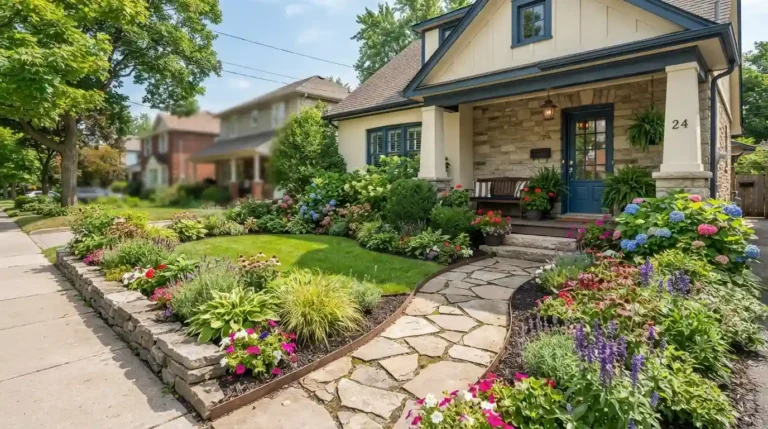
10. Community Flower Garden Areas
Flower gardens add color, beauty, and seasonal interest to urban neighborhoods. They can brighten shared spaces while creating relaxing areas for residents to enjoy.
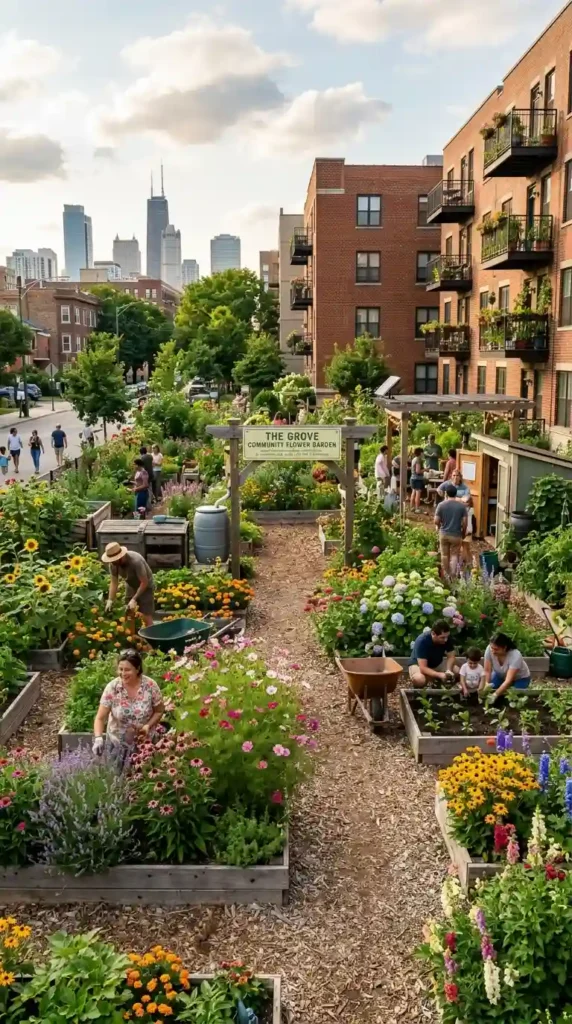
These gardens improve emotional well-being and encourage outdoor connections. Different flowers can be selected to support local wildlife and create visually appealing environments.
11. Balcony Community Gardening Ideas
Balcony gardens bring gardening opportunities to apartments where traditional yards are unavailable. Containers, hanging planters, and compact solutions help residents grow plants easily.
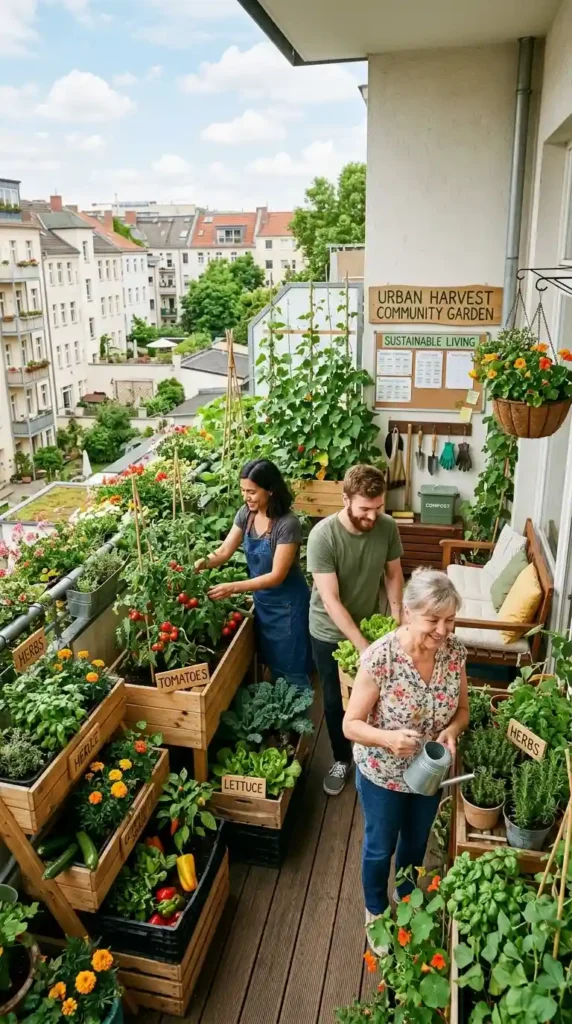
These small gardens make urban homes feel fresher and greener. People can grow flowers, herbs, or vegetables while enjoying nature from their own living spaces.
12. Recycling Based Garden Designs
Recycling gardens use old materials like containers, wooden boxes, and reused items to create functional planting spaces. They reduce waste while supporting creative gardening solutions.
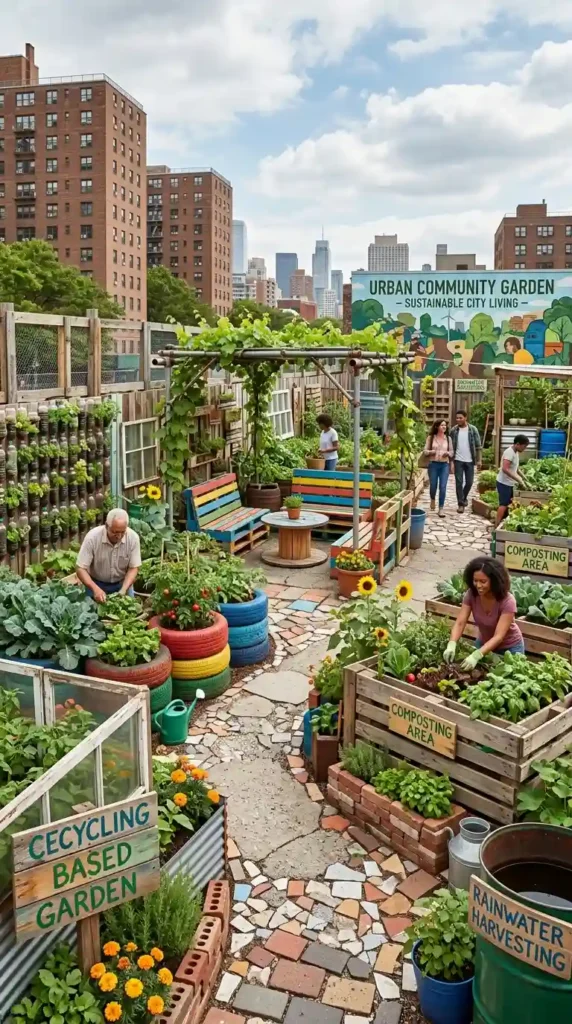
These designs show how sustainability can become part of everyday life. Communities can transform discarded materials into useful garden features with practical environmental value.
13. Community Garden Learning Spaces
Educational gardens combine planting areas with learning opportunities for children and adults. They provide spaces where people can understand nature, farming, and sustainability.
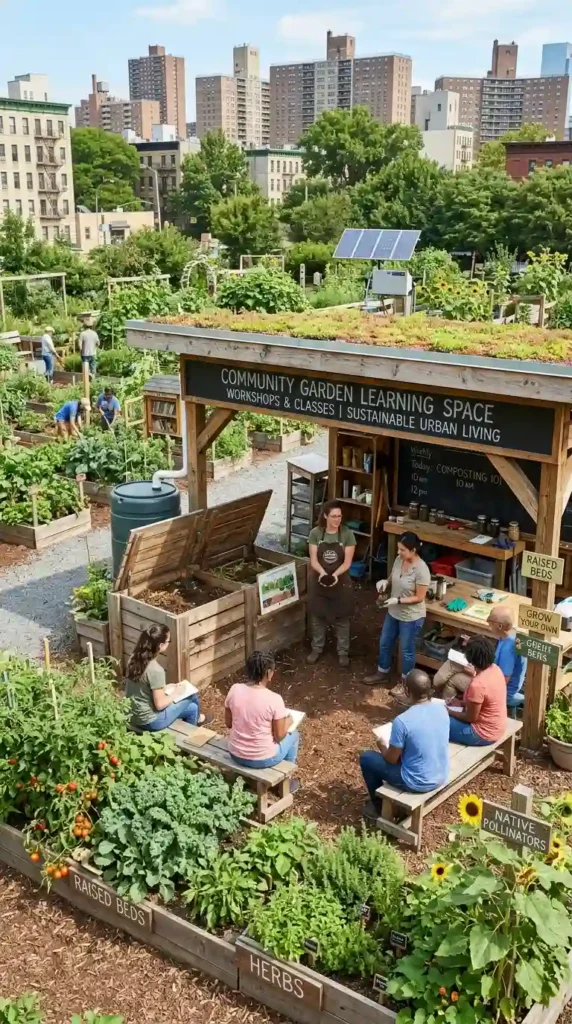
These gardens encourage skill development through hands-on experiences. Workshops and shared activities help communities discover better ways to grow plants and protect the environment.
14. Therapeutic Green Garden Areas
Therapeutic gardens create peaceful environments where people can relax, reduce stress, and connect with nature. They often include calming plants, comfortable seating areas, and thoughtful features found in a well-planned Urban community garden.
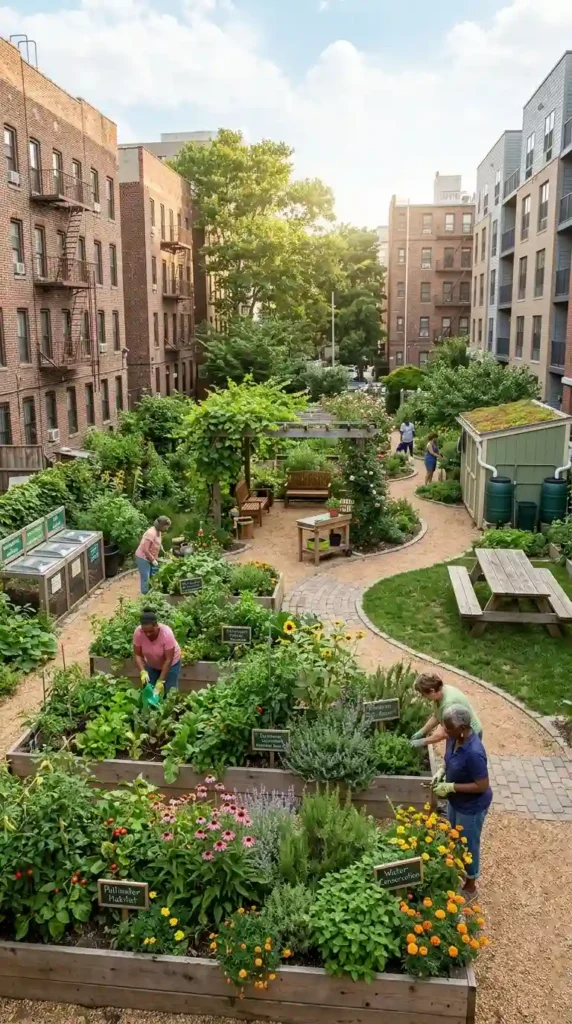
These spaces support mental wellness by offering quiet outdoor escapes. Communities can design them with sensory plants, pathways, and natural elements for comfort.
15. Rooftop Hydroponic Garden Systems
Hydroponic gardens grow plants without traditional soil, making them ideal for modern city spaces. They use controlled systems to produce fresh crops efficiently.
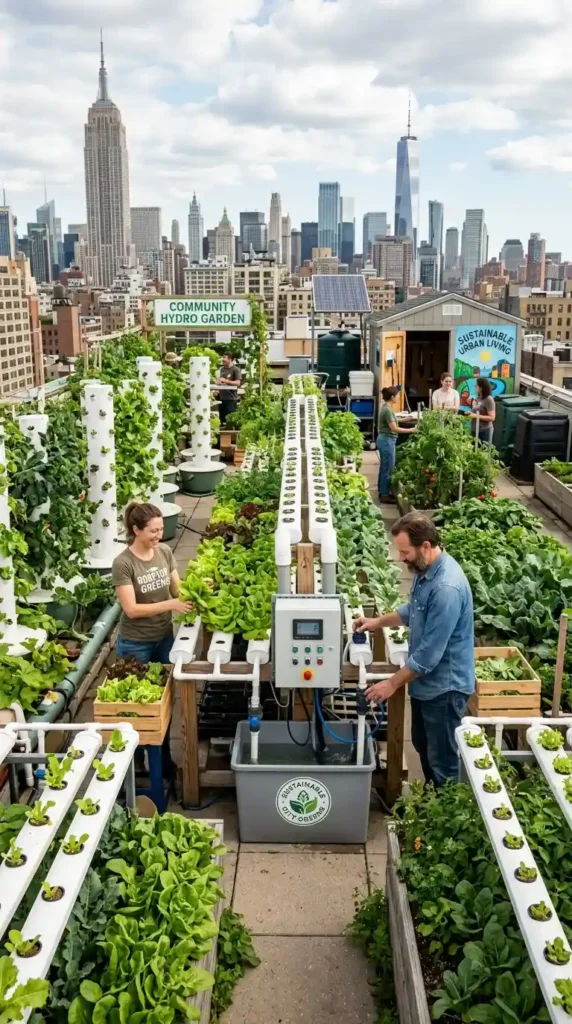
These gardens save water and require less space compared to traditional methods. Communities can use technology-based solutions to increase food production in limited areas.
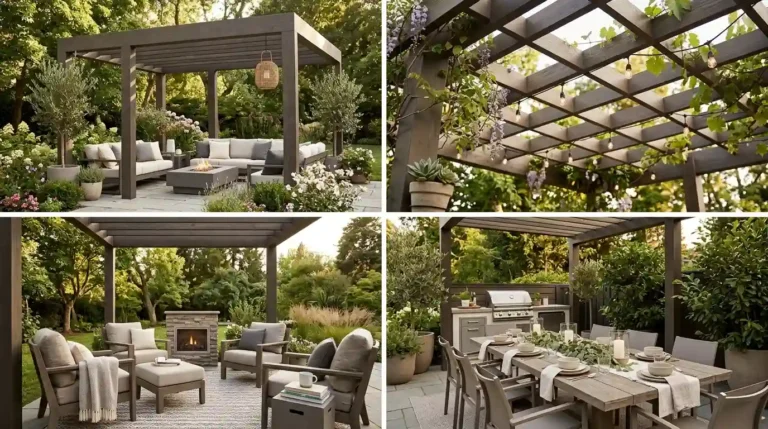
16. Community Garden Seating Areas
Seating areas make gardens more welcoming by adding places for conversation, relaxation, and social gatherings. Benches, tables, and shaded spots improve shared spaces.
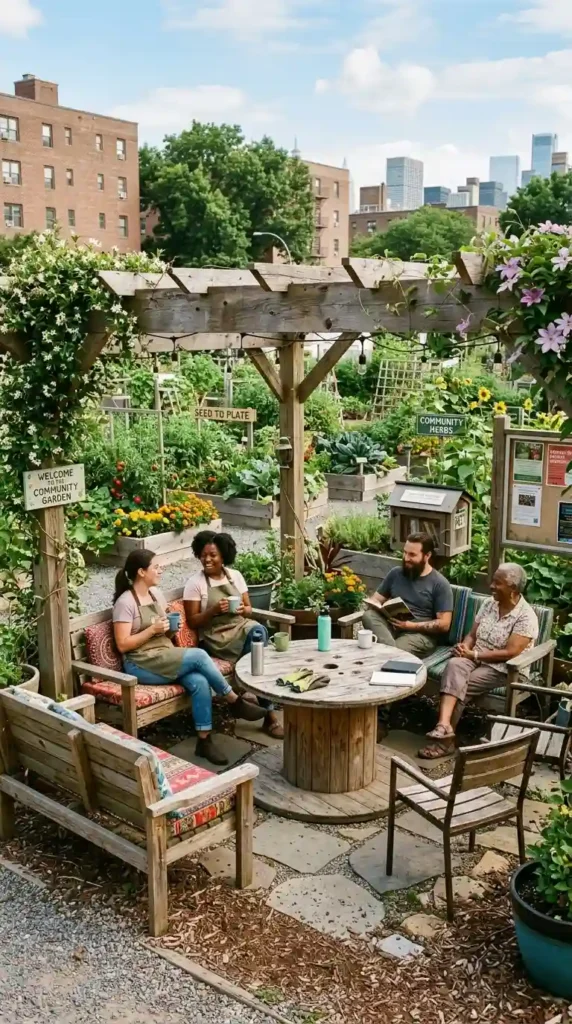
These additions help residents spend more time outdoors and connect with neighbors. Comfortable garden layouts create stronger communities while making green areas more enjoyable.
Why Urban Community Gardens Are Becoming More Common in Cities
Cities are growing denser, leaving less private outdoor space for residents. Community gardens fill this gap by turning shared land into accessible green areas where people can grow food, relax outdoors, and reconnect with nature near home.
Rising food costs and environmental awareness are pushing more residents toward growing their own produce locally. At the same time, city planners increasingly support green infrastructure, recognizing that shared gardens improve both community wellbeing and urban sustainability.
What Tools and Supplies You Need for an Urban Garden
Starting an urban garden becomes easier when you have the right tools and supplies ready. Even small spaces like balconies, rooftops, or patios need basic gardening items to support healthy plants, proper care, and efficient growth.
- Hand Gardening Tools: Small tools like a trowel, pruning scissors, hand fork, and gloves help with planting, trimming, loosening soil, and maintaining plants in limited urban spaces.
- Containers and Planters: Pots, raised beds, hanging baskets, and recycled containers provide suitable growing spaces for vegetables, herbs, and flowers when natural ground space is unavailable.
- Quality Soil and Compost: Nutrient-rich soil mixes and compost improve plant health by providing essential minerals, better drainage, and a strong foundation for roots to grow.
- Watering Supplies: A watering can, spray bottle, or simple irrigation system helps deliver the right amount of moisture while preventing overwatering and water waste.
- Seeds and Plant Care Items: Choose suitable seeds, organic fertilizers, plant supports, and pest control solutions to encourage strong growth and protect your urban garden.
Conclusion
Green spaces bring fresh energy to cities by improving the environment and creating places for people to connect. An Urban community garden supports healthier, greener, and happier neighborhoods.
These creative garden ideas help transform unused areas into valuable spaces filled with plants and purpose. Small efforts can create lasting positive changes for urban living.